



March 3, 2026/Blog /By administrator
Vape Flavor Intensity Guide: Adjust Strength for MTL and RDL Vaping
Mastering vape flavor intensity is not as simple as choosing a popular e-liquid. It requires understanding how the formula, hardware, airflow, wattage, and inhalation method interact to influence taste, throat hit, and vapor production. For first-time MTL and RDL users, adjusting flavor intensity may seem complex at first glance. However, once broken down into its components, the process becomes logical, measurable, and repeatable.
Many beginners mistakenly believe that a richer flavor comes from higher nicotine concentration or greater wattage. In reality, excessive wattage or an unsuitable nicotine concentration can distort the taste and create a harsh, irritating sensation. True vape flavor optimization lies in balance. Every adjustment—whether it’s airflow limitation, coil resistance selection, or a change in the PG/VG ratio—creates a specific sensory experience.
Factors Affecting Vape Flavor: Perception, E-liquid, and Nicotine
Flavor perception integrates taste, aroma, temperature, and throat sensation into a unified sensory experience. When vapor enters the mouth, aromatic compounds activate olfactory receptors through the retronasal airflow. This mechanism explains why vapor concentration and temperature significantly affect perceived intensity. The more efficiently the vapor carries aromatic molecules, the richer the e-cigarette’s flavor.
Throat hit also plays a crucial role. A stronger throat hit generally makes the vape flavor richer, especially in MTL settings, because the vapor lingers in the mouth before inhalation. Temperature further influences perception. Lower temperatures preserve delicate top notes such as citrus, berry, or floral notes. Higher temperatures enhance caramel, dessert, or tobacco flavors by accelerating vaporization and slightly altering flavor chemistry.
Furthermore, vapor texture also affects perception. Thin, sharp vapor feels distinctly different from thick, smooth atomized liquid. Even when two devices use the same e-liquid, differences in airflow and power will produce significantly different flavor experiences.
E-liquid Composition and Flavor Intensity
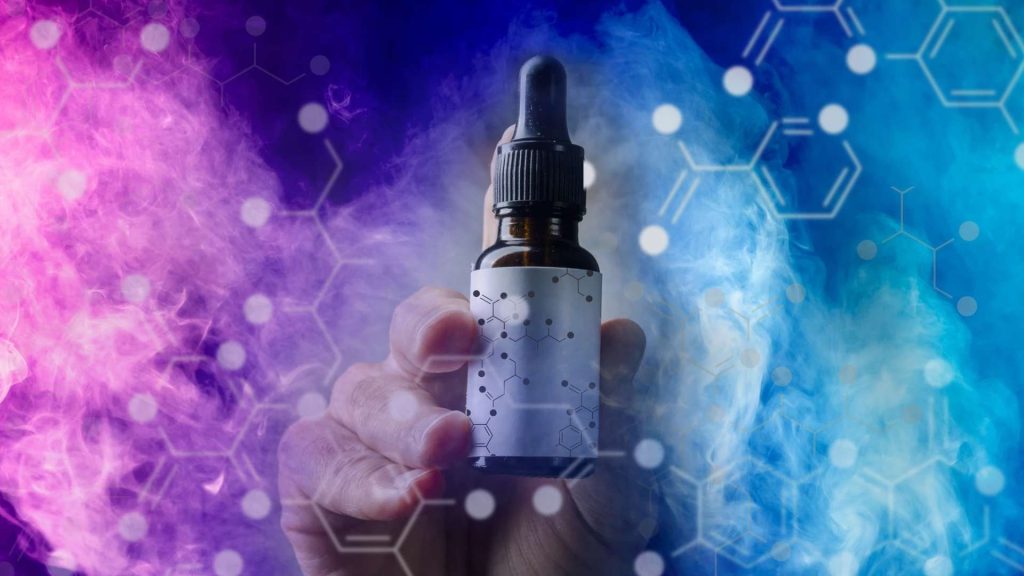
The chemical composition of e-liquid is the primary factor determining the flavor intensity of an e-cigarette. The PG-to-VG ratio determines flavor clarity and vapor density.
PG has a thinner texture and can better carry flavor compounds. Therefore, PG/VG blends with a higher PG ratio (e.g., 50/50 or 60/40) typically deliver a richer, more direct e-cigarette flavor. This makes them particularly suitable for low-power, low-vapor MTL devices.
VG has a thicker texture and produces denser vapor. Blends with higher VG content, such as 70/30 VG/PG, can soften the flavor’s sharpness, resulting in a smoother mouthfeel. While some initial notes may be slightly diminished, body and sweetness are usually enhanced in RDL configurations. Additionally, the nicotine formulation also affects flavor perception. Free-base nicotine produces a stronger throat hit at lower concentrations, thereby enhancing flavor perception while producing less vapor.
Adjusting Vape Flavor Based on MTL and RDL
MTL e-cigarettes involve inhaling vapor into the mouth first, then into the lungs. This method concentrates the flavor in the mouth and enhances the sensation in the throat. Due to the moderate vapor production, various flavor components feel more concentrated and clear. MTL devices typically use high-resistance coils (0.8Ω and above), smaller airflow, and moderate wattage. Combined with a higher nicotine concentration, this configuration produces a clear and rich e-cigarette flavor without excessive vapor production.
RDL e-cigarettes deliver more airflow, enabling partial direct lung inhalation. The increased airflow slightly cools the vapor while increasing its volume. As vapor concentration increases, sweetness and body also intensify. RDL devices typically use low-resistance coils (0.3Ω–0.6Ω) and operate at higher wattages within the recommended wattage range. To prevent irritation from increased vapor volume, a lower nicotine concentration is recommended.
Using high-nicotine salt e-liquid in an RDL configuration can produce a strong throat irritation. Conversely, using low-nicotine, high-VG e-liquid in an MTL device may feel bland and unsatisfying. Adjusting the inhalation method, coil resistance, airflow, and e-liquid is crucial to ensuring a consistent e-cigarette flavor experience.
Coil Technology and E-cigarette Flavor Performance
Coil structure directly affects heat distribution and vapor production. Mesh coils provide a larger heating surface area, resulting in more uniform heat distribution and faster heating. This design enhances flavor clarity, especially in RDL atomizers, where stable heating better brings out complex dessert or fruit flavors.
Traditional round coils offer controllable heating and are generally well-suited for MTL devices. Their smaller surface area concentrates heat within a compact chamber, highlighting more pronounced flavors. Choosing the appropriate wattage is equally important. Below the recommended range, wattage results in insufficient atomization and a bland taste. Excessive wattage can damage the wick, leading to a burnt taste. Through gradual adjustments, users can find a balanced “optimal point” that provides the best flavor without compromising coil life. Airflow design also affects flavor presentation. Narrow airflow increases vapor velocity and concentration, thus enhancing flavor intensity.
Fine-tuning Airflow and Wattage
Precise flavor control requires systematic adjustments. Start with a lower wattage and gradually increase it, observing changes in temperature and flavor depth. Each time you fine-tune the airflow, pay attention to how changes in vapor density affect the flavor. Slow, steady inhalation is generally more effective at showcasing the rich layers of vape flavors than rapid inhalation. Monitoring battery level also ensures stable power output. While voltage regulators typically maintain stable output, ensuring sufficient battery power can prevent unexpected drops in flavor intensity.
Creating Your Personalized Flavor
Achieving your ideal vape flavor isn’t about maxing out every setting; it’s about harmonizing the e-liquid formula, nicotine type, coil design, airflow, power, and inhalation technique. MTL and RDL each have their advantages, and neither is inherently superior. The best choice depends on personal preference, nicotine needs, and desired vapor experience. Choose the appropriate PG/VG ratio based on your smoking habits, match the appropriate coil resistance and vaping method, and gradually adjust the airflow and power. Observe the impact of each adjustment on temperature, throat feel, and flavor profile. Over time, you’ll gradually master how to create your own personalized e-cigarette flavor experience.